- Latestly AI
- Posts
- The Future of the Creative‐as‐a‐Service Industry
The Future of the Creative‐as‐a‐Service Industry
A Model that blends automation, human creativity, and cloud platforms.
A New Era for Creativity
The design world is changing fast. What used to be handled by scattered freelancers or big agency retainers is now shifting into a structured, technology‑driven model called Creative‑as‑a‑Service, or CaaS.
This model combines what brands love about agencies (expertise and quality) and what startups love about SaaS (speed, data, and predictable pricing).
At its heart, CaaS turns design work from a one‑off project into a continuous, measured service — one that blends automation, human creativity, and cloud platforms.
How CaaS Works — Simplified
Creative‑as‑a‑Service is built on a few key principles:
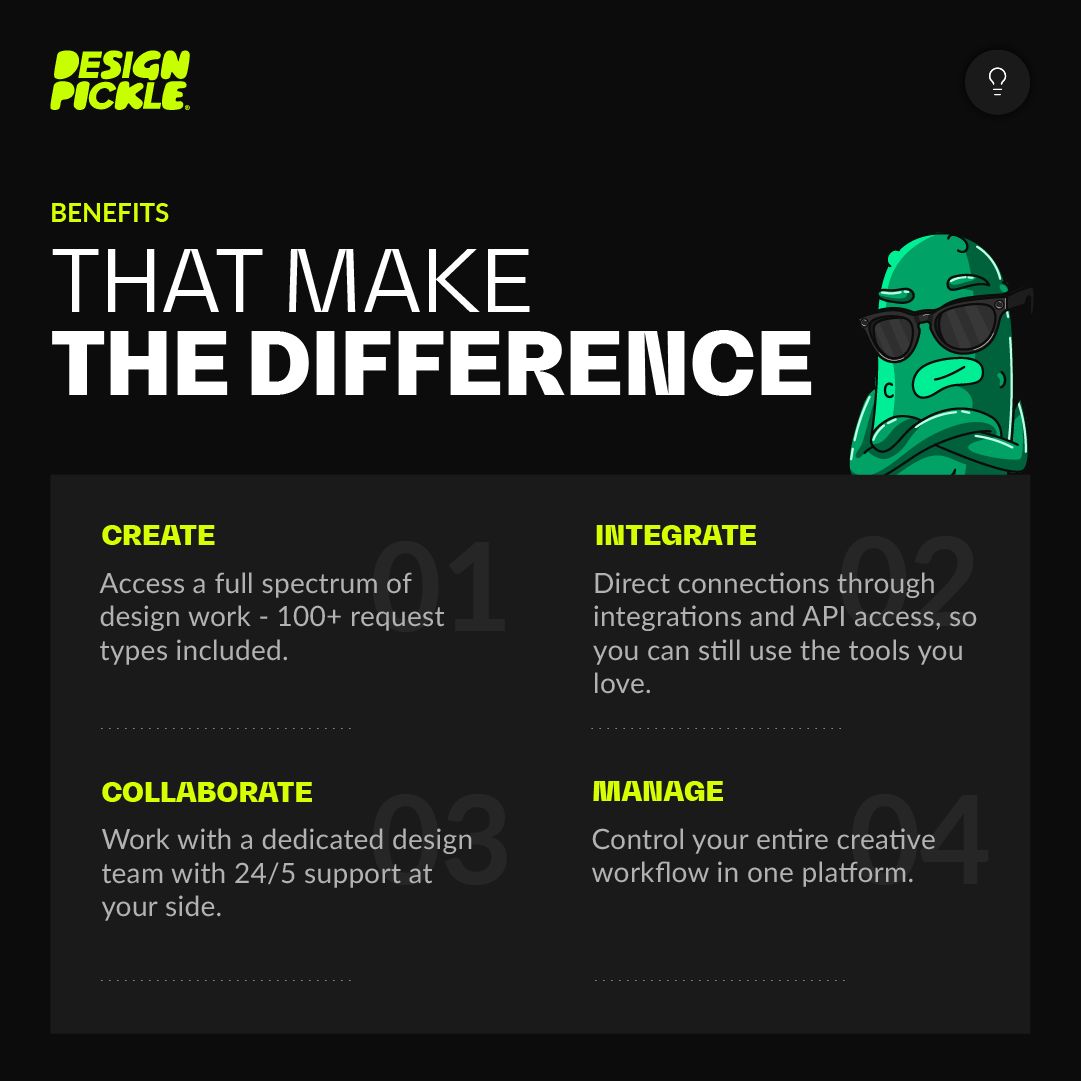
Subscription Access – Brands pay a flat monthly fee instead of negotiating every project.
Dedicated Teams – Designers are matched to clients and stay with them over time. This builds brand memory and style consistency.
Platform Workflow – All work runs through a digital hub for requests, collaboration, and version tracking.
Predictable Output – Deliverables move through structured queues, ensuring turnaround within 24–48 hours.
Data Integration – Metrics around delivery times, revision rates, and approval percentages help analyze performance.
Design Pickle is a major pioneer of this structure. Its platform proves that design, like cloud computing, can scale when it is delivered through systems rather than sporadic projects .
The Market Forces Behind the Shift
Global creative spend in 2025 reached nearly USD 15 billion, and analysts expect that figure to surpass USD 25 billion by 2035 .
Three major forces drive this acceleration:
Digital Demand Explosion – More online content, localized ads, and micro‑campaigns require constant graphic output.
Distributed Workforce Norms – Remote work made cross‑border creative collaboration simpler and cheaper .
Automation + AI – Tasks like resizing images, formatting templates, or tagging assets can now be automated .
All of this makes the old freelancer–agency cycle inefficient and unpredictable. CaaS offers agility without sacrificing brand control.
From Chaos to Workflow
In most traditional setups, every new request begins at zero: a brief, a designer hunt, a timeline negotiation.
CaaS eliminates this. With a set monthly plan, projects sit in a real‑time queue. A brand’s creative manager submits new tasks through a dashboard — logos, ads, illustrations, videos — and the next morning, the first draft appears.
Tools like Design Pickle’s Create Assist and Request Assist reduce manual errors by structuring briefs automatically .
That efficiency multiplies quickly: no lost emails, no missed files, no waiting for freelancer availability.
It’s the design equivalent of continuous integration in software development — a constant flow of creation, testing, and improvement.
AI’s Role in Creative‑as‑a‑Service
Artificial Intelligence plays a supportive, not a dominant, role in this new ecosystem.
In Design Pickle’s model, AI acts as a co‑pilot .
It analyzes the language of a brief to identify mood, tone, and asset type.
It auto‑fills brand guidelines from stored templates.
It predicts delivery time based on project complexity and designer availability.
It flags off‑brand colors or typography before the client even reviews a draft.
This is called cognitive automation Machines handle meta tasks, allowing humans to focus on visual thinking. As a result, Design Pickle's AI-assisted requests need 30% fewer revisions and are delivered nearly 40% faster than traditional manual projects.
Why Brands Are Switching
For companies of any size, design is no longer occasional — it’s operational.
Product updates, emails, ads, presentations, landing pages, and social visuals all depend on steady creative output.
CaaS platforms give brands advantages impossible a decade ago:
Speed: Most drafts arrive in 24 hours or less.
Scalability: No recruiting or budget expansion needed when workload grows.
Consistency: Designers build deep brand knowledge over months or years.
Transparency: Dashboards show progress and metrics in real time.
Predictable Budgeting: Flat fees replace project invoices and agency retainers.
A report from Creative Services Market Insights found that brands using CaaS save 25 to 40 percent on their yearly design costs and create two to three times more content.
What It Means for Designers
For designers, this model changes everything. Instead of juggling freelance projects, they work in long-term partnerships with different brands. Platforms like Design Pickle provide training, creative guidance, and ongoing support. This setup replaces the uncertainty of gig work with career growth. Designers benefit from a stable monthly income through regular assignments, exposure to global brands, support from quality assurance and art direction teams, and the chance to learn new design practices using data and AI. In short, they enjoy the creative variety of freelancing with the security of a full-time job. This balance is why CaaS platforms are hiring more designers than traditional agencies.
Design Ops: The Backbone of CaaS
Creative-as-a-Service (CaaS) builds on Design Operations (Design Ops), which standardizes creative delivery through naming systems, templates, approval flows, and KPIs. CaaS platforms apply these principles to provide an enterprise-grade workflow for all clients. Similar to how DevOps improved software engineering, Design Ops enhances visual production. By 2026, 80% of corporate marketing teams are expected to adopt Design Ops, with CaaS as their delivery engine.
Global Scaling and Democratization
The most impactful aspect of Creative-as-a-Service is its ability to connect people worldwide. Designers from over 90 countries can work with brands instantly, thanks to smart workflow management and AI tools. This global access makes hiring easier and increases the variety of creative work. Different cultures bring new ideas about colors, design, and storytelling, giving brands an advantage when they enter new markets.
Challenges and Future Trends
The rise of CaaS is bringing some technical hurdles along for the ride. These include making sure assets are stored securely and intellectual property rules are followed across different regions, keeping human creativity alive in workflows that are sped up by AI, and creating fair global payment systems that ensure talent is rewarded equitably. But don't worry, solutions are already on the horizon! Leaders in CaaS are experimenting with blockchain-based design licensing, cross-platform version tracking, and AI bias auditing to safeguard original work. Looking to the future, CaaS is set to blend even more with marketing automation and content personalization tools. Picture a brand that automatically launches localized ad variations based on real-time analytics, with designs that already meet brand standards thanks to human-guided platform intelligence. This isn't just a dream—it's on the agenda for next year!
Summary
Creative-as-a-Service (CaaS) is not just a passing trend; it's the next step in helping businesses grow their creative efforts. The idea is simple: combine human skills with technology to greatly increase output. By 2028, experts predict that over 65% of mid-sized businesses will use CaaS for some of their design needs. Companies like Design Pickle are leading the way by combining speed with strategy, and automation with creativity. Just like Software-as-a-Service made technology available to everyone, CaaS is making creativity more accessible, turning it into a powerful tool for growth.